
 |
| Scuba Diving in Australia |
Australia, with its extensive coastline and diverse marine ecosystems, offers some of the most spectacular scuba diving experiences in the world. From the vibrant coral reefs of the Great Barrier Reef to the haunting wrecks scattered along its shores, the country beckons adventurers and underwater enthusiasts alike. In this article, we'll delve into some of Australia's top dive sites and offer valuable tips for making the most of your underwater adventures.
I. Introduction
Scuba diving in Australia is an exhilarating journey into the depths of the Southern Hemisphere's aquatic wonders. With its vast coastline stretching over 50,000 kilometers and encompassing a variety of marine habitats, Australia presents an unparalleled opportunity for divers to explore a rich tapestry of underwater landscapes and encounters. However, selecting the right dive sites is crucial to ensure a safe and rewarding experience beneath the waves.
II. The Great Barrier Reef
 |
| scuba-diving-in-Australia |
A. Description of the Great Barrier Reef
The Great Barrier Reef is not just a dive site; it's a legendary underwater kingdom sprawling over 2,300 kilometers along the Queensland coast. This UNESCO World Heritage Site is the world's largest coral reef system, comprising thousands of individual reefs and islands teeming with marine life.
B. Diving opportunities and highlights
Great barrier reef scuba diving is a surreal experience, offering encounters with colorful coral gardens, majestic sea turtles, and an array of tropical fish species. From introductory dives for beginners to advanced drift dives for seasoned adventurers, the reef caters to divers of all levels.
C. Conservation efforts and challenges
Despite its natural splendor, the Great Barrier Reef faces numerous threats, including climate change, pollution, and overfishing. Conservation efforts are underway to protect this fragile ecosystem, emphasizing sustainable tourism practices and marine park management.
III. The SS Yongala Wreck
 |
Scuba Diving in Australia |
A. History of the SS Yongala
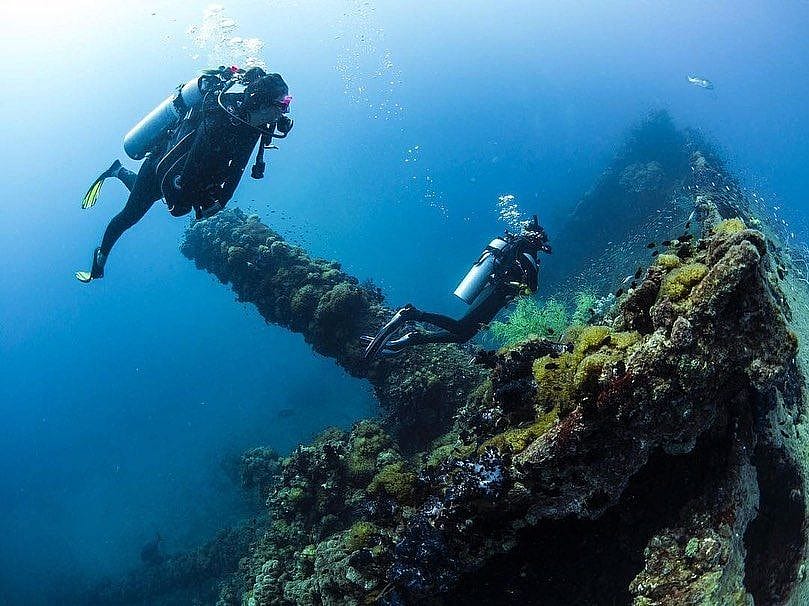
The SS Yongala, a passenger and cargo steamship, met its tragic fate in 1911 when it sank during a cyclone off the coast of Townsville. Today, the wreck lies intact on the seabed, serving as an eerie yet captivating dive site.
B. Diving experience at the wreck
Exploring the SS Yongala is like stepping back in time, with its haunting corridors, towering structure, and abundant marine life. Divers can expect to encounter massive groupers, graceful manta rays, and even the occasional tiger shark.
C. Safety precautions and considerations
Due to its depth and often strong currents, diving the SS Yongala requires advanced certification and experience. Proper planning, including thorough dive briefings and adherence to safety protocols, is essential to ensure a safe and enjoyable dive.
IV. Osprey Reef
 |
| scuba-diving-in-Australia |
A. Location and features of Osprey Reef
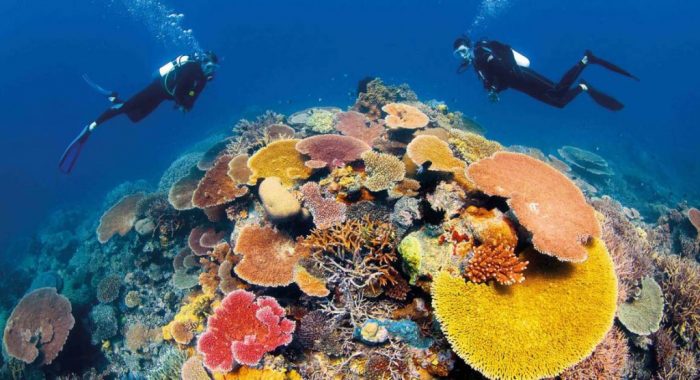
Situated in the Coral Sea, Osprey Reef is a remote and pristine atoll renowned for its sheer underwater walls, vibrant coral formations, and pelagic marine life. Its isolation makes it a haven for experienced divers seeking off-the-beaten-path adventures.
B. Marine life and unique underwater landscapes
Osprey Reef is home to a diverse array of marine species, from sleek sharks and graceful manta rays to colorful reef fish and elusive sea turtles. Its underwater terrain features dramatic drop-offs, swim-throughs, and coral bommies, providing endless opportunities for exploration.
C. Dive operators and logistics
Accessing Osprey Reef typically requires joining a liveaboard expedition departing from Cairns or Port Douglas. These multi-day trips offer immersive dive experiences, gourmet meals, and comfortable accommodation aboard spacious vessels equipped for remote exploration.
V. Ningaloo Reef
 |
| scuba-diving-in-Australia |
A. Introduction to Ningaloo Reef
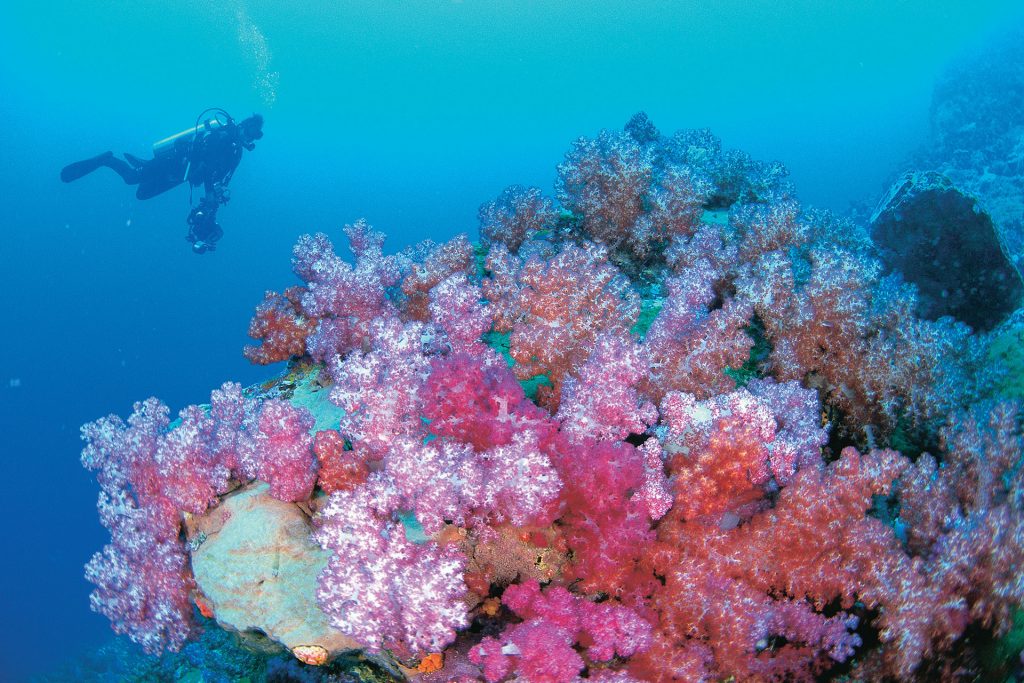
Located off the coast of Western Australia, Ningaloo Reef is a UNESCO World Heritage Site renowned for its pristine coral reefs, crystal-clear waters, and abundant marine biodiversity. Unlike the Great Barrier Reef, Ningaloo is accessible directly from the shoreline, offering unparalleled convenience for divers and snorkelers.
B. Diving and snorkeling opportunities
Diving in Ningaloo Reef unveils a kaleidoscope of underwater wonders, including vibrant coral gardens, bustling fish aggregations, and seasonal encounters with majestic whale sharks. Snorkelers can also enjoy shallow lagoons teeming with colorful reef fish and playful marine creatures.
C. Seasonal considerations and best times to visit
The best time to visit Ningaloo Reef for diving is during the dry season, from April to November, when water visibility is at its peak and marine life activity is high. However, whale shark season, occurring from March to July, offers a unique opportunity to swim alongside these gentle giants.
VI. Fish Rock Cave
 |
| scuba-diving-in-Australia |
A. Overview of Fish Rock Cave
Fish Rock Cave, located off the coast of South West Rocks in New South Wales, is renowned as one of Australia's top cave diving destinations. This underwater cavern boasts intricate rock formations, swim-throughs, and an abundance of marine life.
B. Unique geological formations and marine life
Diving into Fish Rock Cave reveals a mesmerizing labyrinth of tunnels, archways, and chambers adorned with colorful sponges, corals, and sea fans. The cave's resident population of grey nurse sharks adds an element of excitement to every dive.
C. Dive certifications and experience levels required
Due to the challenging nature of cave diving, exploring Fish Rock Cave requires advanced certification and prior experience in buoyancy control and underwater navigation. Divers must also be proficient in managing their air supply and adhering to strict safety protocols.
VII. Lord Howe Island
 |
| Scuba Diving in Australia |
A. Description of Lord Howe Island
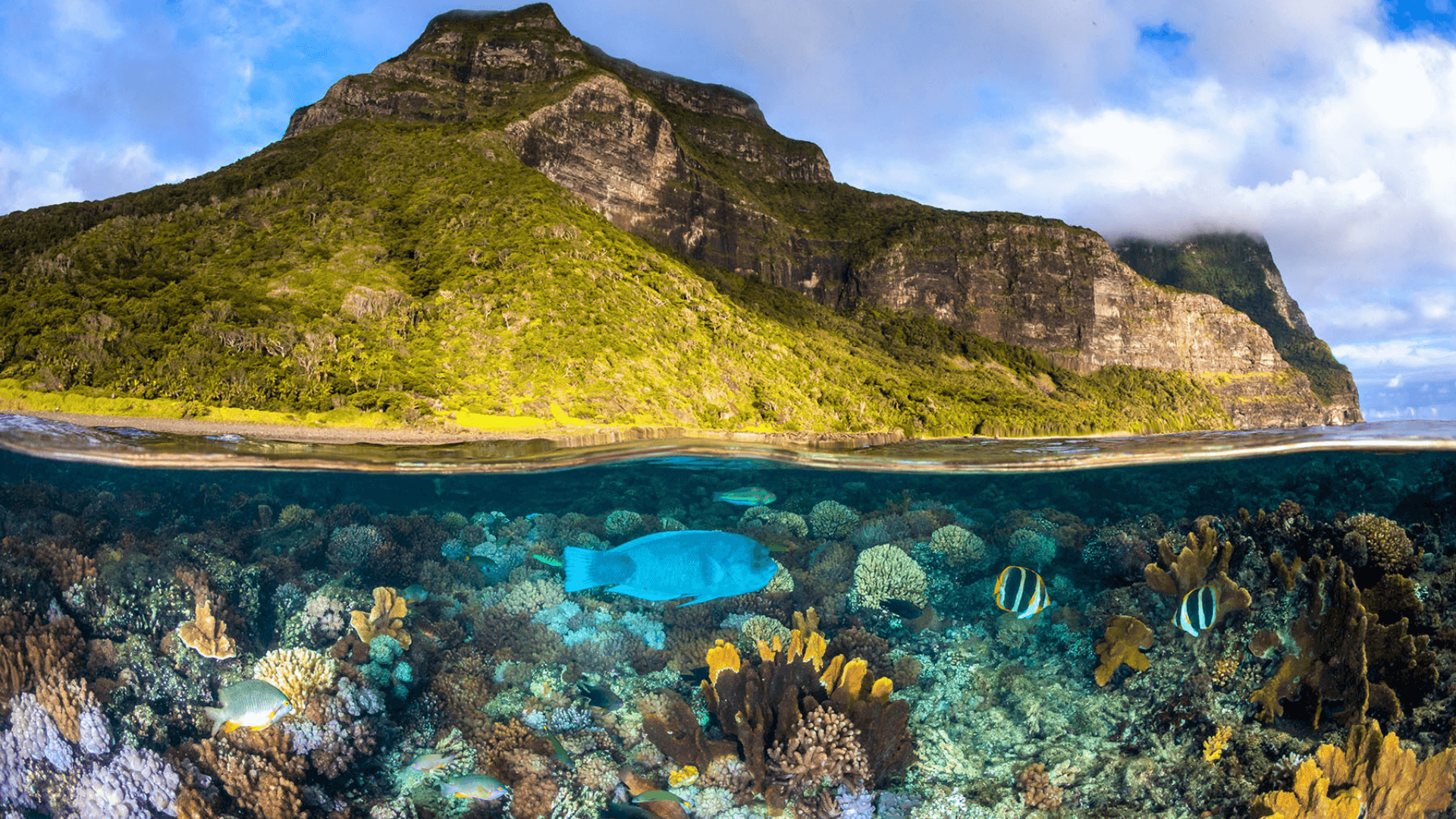
Tucked away in the Tasman Sea between Australia and New Zealand, Lord Howe Island is a remote paradise renowned for its pristine beaches, lush forests, and crystal-clear waters. Beneath the surface lies a hidden world of marine treasures waiting to be explored.
B. Diving sites and underwater attractions
Lord Howe Island offers a variety of dive sites catering to divers of all skill levels, from shallow coral gardens to deep-sea trenches. Highlights include the Ball's Pyramid, home to rare marine species, and the Admiralty Islands, known for their vibrant coral reefs and abundant fish life.
C. Environmental protection and sustainability efforts
As a UNESCO World Heritage Site and Marine Park, Lord Howe Island is committed to protecting its fragile ecosystems through sustainable tourism practices, marine conservation initiatives, and community engagement. Visitors are encouraged to minimize their environmental footprint and support local conservation efforts.
VIII. Julian Rocks Marine Reserve
 |
| Scuba Diving in Australia |
A. Location and ecosystem of Julian Rocks Marine Reserve
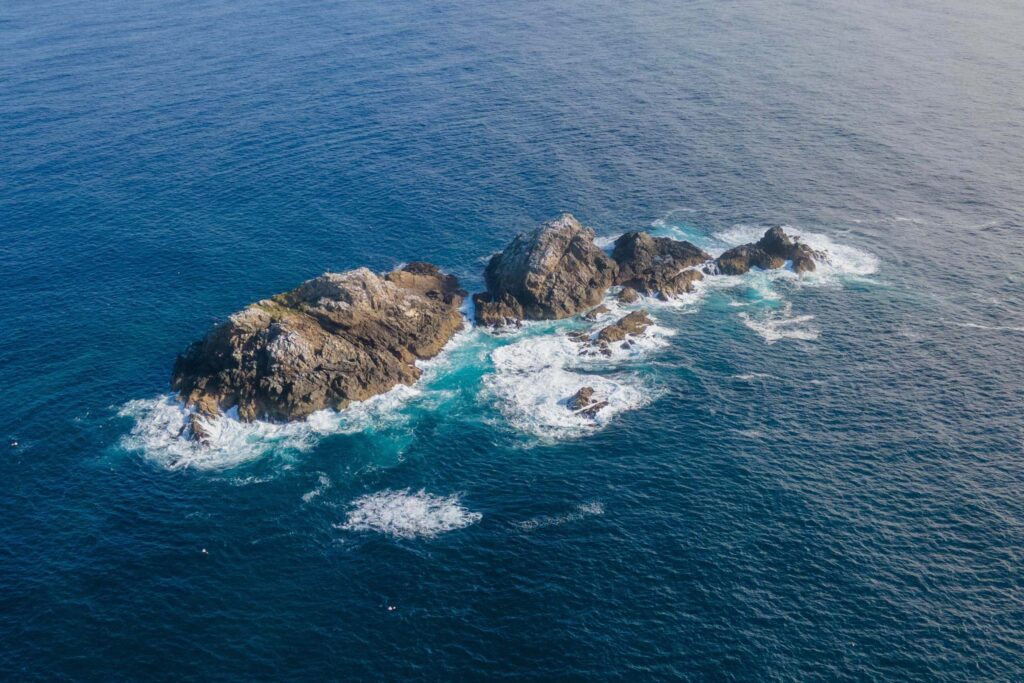
Nestled off the coast of Byron Bay in New South Wales, Julian Rocks Marine Reserve is a biodiversity hotspot teeming with marine life. Its unique blend of tropical and temperate species makes it a magnet for divers seeking diverse underwater encounters.
B. Diving experiences and sightings
Diving at Julian Rocks offers a glimpse into the underwater realm, where colorful nudibranchs, elusive octopuses, and majestic leopard sharks abound. The reserve's rocky outcrops and swim-throughs provide shelter for a variety of marine species, creating a thriving ecosystem.
C. Dive regulations and guidelines
To protect its fragile marine habitats, Julian Rocks Marine Reserve enforces strict dive regulations, including no-touch policies, minimum distance guidelines, and restricted access to sensitive areas. Divers are encouraged to familiarize themselves with these regulations and dive responsibly.
IX. The Navy Pier
 |
| scuba-diving-in-Australia |
A. Background of the Navy Pier
The Navy Pier, located on the northwest coast of Western Australia, is renowned as one of the best shore dives in the world. Originally built as a naval dockyard, the pier now serves as a haven for marine life and underwater photographers.
B. Diving conditions and underwater biodiversity
Diving at the Navy Pier offers an immersive experience in a thriving underwater metropolis, where schools of colorful fish, graceful eagle rays, and curious octopuses roam freely. The pier's pylons and structures provide shelter for a diverse array of marine species, creating a vibrant ecosystem.
C. Access restrictions and permits
Access to the Navy Pier is restricted to guided dive tours operated by licensed dive operators. This ensures the protection of the site and minimizes the impact of diver traffic on its fragile marine habitats. Visitors must obtain permits and adhere to strict dive guidelines to preserve the pier's natural beauty.
X. Tips for Scuba Diving in Australia
A. Choosing the right dive operator
Researching and selecting reputable dive operators is essential for ensuring a safe and enjoyable diving experience in Australia. Look for operators with experienced dive guides, well-maintained equipment, and a strong commitment to environmental stewardship.
B. Safety precautions and equipment checklist
Prioritize safety by familiarizing yourself with dive procedures, emergency protocols, and equipment operation before entering the water. Conduct pre-dive safety checks, including inspecting your gear, checking dive conditions, and communicating with your dive buddy.
C. Environmental awareness and responsible diving practices
Practice responsible diving by minimizing your environmental impact, respecting marine life, and adhering to dive regulations and guidelines. Support conservation efforts by participating in reef clean-ups, reporting environmental disturbances, and advocating for sustainable tourism practices.
